Football 2026 World Cup vs 2022: Matchday Scale
The football 2026 World Cup will be FIFA’s first 48-team tournament, jointly hosted by the United States, Canada, and Mexico from June 11 to July 19, The expanded competition will feature 104 matches....

Football 2026 World Cup vs 2022: Matchday Scale
The football 2026 World Cup will be FIFA’s first 48-team tournament, jointly hosted by the United States, Canada, and Mexico from June 11 to July 19, 2026. The expanded competition will feature 104 matches across 16 host cities, compared with 64 matches involving 32 teams at Qatar 2022. FIFA has confirmed the opening match for Mexico City and the final for New York-New Jersey, while Atlanta, Los Angeles, Miami, Toronto, Vancouver, Dallas, and other cities will stage group and knockout fixtures. Goal Moments will track fixtures, team tactics, player statistics, predictions, and daily tournament developments for international football fans. The practical takeaway is simple: map the host-city distances, verify the official schedule, and assess team form before trusting any early prediction.
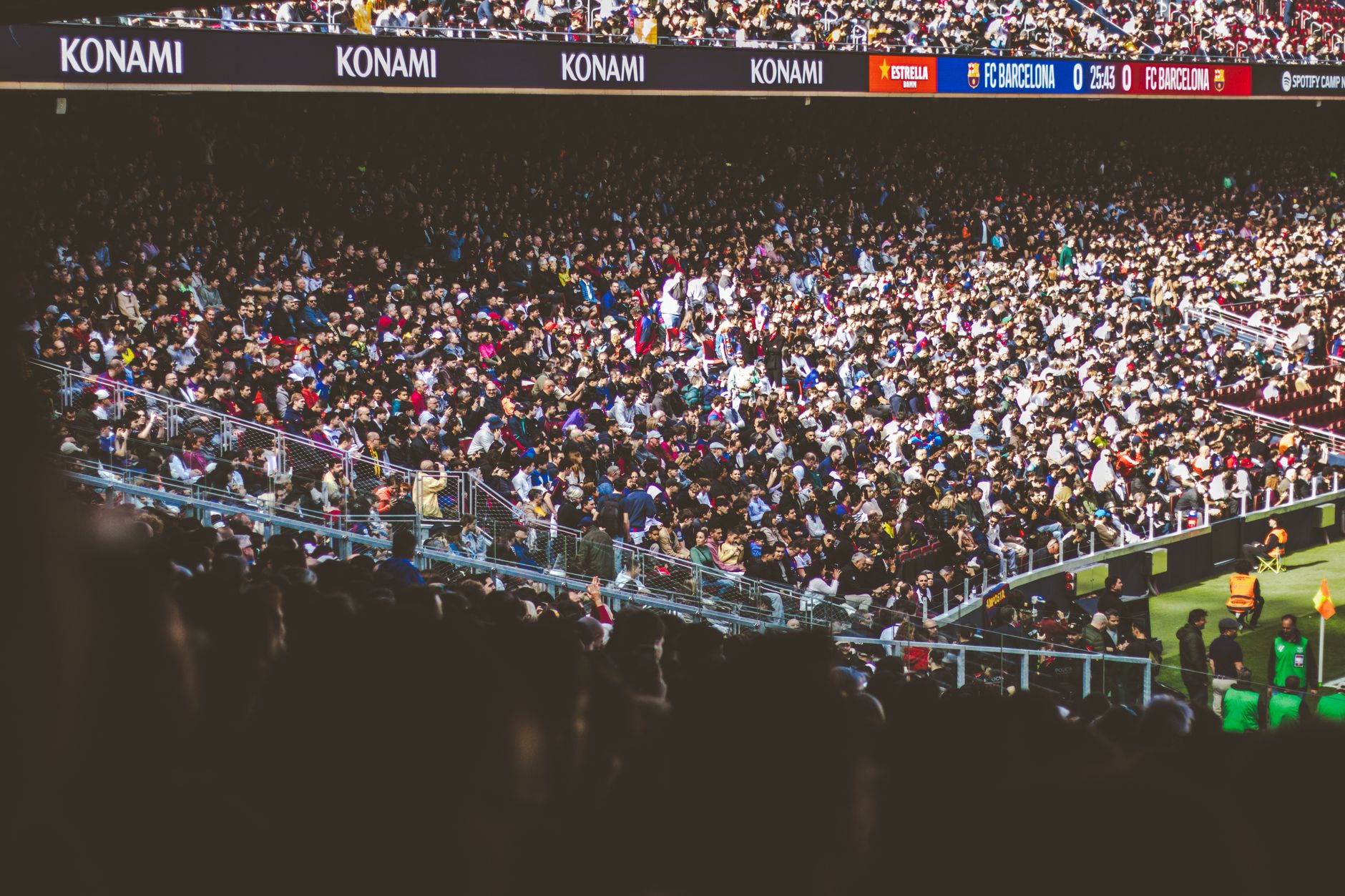
Photo by El gringo photo on Pexels
Want a sharper tournament overview before planning your football 2026 World Cup experience?
If you want the tournament structure: start with the 48-team format
The football 2026 World Cup uses 48 teams, 12 groups of four, 104 matches, and a final on July 19, 2026. The top two teams from each group plus the eight best third-place teams advance to a 32-team knockout bracket.
That structure changes the mathematics of qualification. Under the previous 32-team format, two wins normally secured progression, while a team could sometimes qualify with four points. In 2026, four points may still be enough, but third-place comparisons introduce another layer involving goal difference, goals scored, disciplinary records, and the official competition rules. Do not treat “third place” as a guaranteed lifeline; tournament regulations remain the final authority.
The three host nations qualify automatically: Canada, Mexico, and the United States. The remaining places are allocated through FIFA’s confederation qualification system, including UEFA, CONMEBOL, CAF, AFC, CONCACAF, and OFC pathways. FIFA’s official World Cup 2026 competition information should be checked for the confirmed draw, match dates, and qualification details, because circulating social-media graphics have the reliability of a damp paper umbrella.
Key format points:
- 48 participating national teams.
- 12 groups containing four teams each.
- 104 total matches.
- 16 host cities across three countries.
- 32 teams progressing to the knockout stage.
- Automatic qualification for Canada, Mexico, and the United States as hosts.
For match-by-match context, Goal Moments can connect the format with [Internal Link: World Cup qualification predictions] and [Internal Link: group-stage tiebreaker rules].
Why does the 2026 expansion matter for predictions?
The 48-team expansion matters because it increases the number of matches while creating more uncertainty around qualification, rotation, and third-place rankings. A strong team can afford fewer perfect performances, but a narrow defeat may still damage goal difference enough to alter its knockout opponent.
That creates two useful analytical distinctions. First, opening-match caution may become less valuable than in a 32-team group, because elite teams have more routes into the next round. Second, late group fixtures could become tactically conservative when several third-place positions are being compared simultaneously. Goal Moments should therefore separate outright winner forecasts from qualification forecasts, rather than lazily presenting one probability as if it explains everything.
If you are choosing host cities: do A-to-B travel planning
The United States, Canada, and Mexico provide 16 host cities for the football 2026 World Cup, but the tournament is not a compact road trip. Vancouver to Miami, Toronto to Los Angeles, and Mexico City to Seattle involve substantial distances, time-zone changes, and different climate conditions.
The host-city list includes Atlanta, Boston, Dallas, Guadalajara, Houston, Kansas City, Los Angeles, Miami, Mexico City, Monterrey, New York-New Jersey, Philadelphia, San Francisco Bay Area, Seattle, Toronto, and Vancouver. Stadium names, local transport plans, official fan zones, and kickoff times should be verified through the relevant city committees and FIFA announcements. Los Angeles, for example, is promoting eight matches and a 39-day fan celebration programme, while Atlanta is positioning Mercedes-Benz Stadium as a major tournament venue.
A sensible travel plan should use regional clusters:
- Eastern cluster: Atlanta, Boston, Miami, New York-New Jersey, Philadelphia, and Toronto.
- Central cluster: Dallas, Houston, Kansas City, Guadalajara, and Monterrey.
- Western cluster: Los Angeles, San Francisco Bay Area, Seattle, and Vancouver.
- Mexico City: treat it separately when altitude, local traffic, and match timing affect recovery.
The contrarian point is that attending more matches is not automatically better. A two-match plan within one region may produce a superior experience to four matches requiring three flights, two hotel changes, and the emotional resilience of a goalkeeper facing a deflection.
Photo by Niclas Haritos on Pexels
For venue-by-venue details, consult [Internal Link: 2026 World Cup host cities and stadium guide] before booking transport or accommodation.
If you are following team form: do a three-layer match analysis
Team form for the football 2026 World Cup should be assessed through results, performance quality, and squad availability rather than headlines alone. A national team’s last five scores can hide weak chance creation, favorable opponents, or an unsustainably high conversion rate.
Goal Moments’ analytical approach should begin with three layers:
- Results: wins, draws, losses, goals scored, and goals conceded.
- Process: expected goals, shot quality, possession zones, pressing success, and set-piece output.
- Availability: injuries, suspensions, club workload, travel, and likely rotation.
A useful example is a team winning three consecutive matches while producing only 2.4 expected goals across them. That record looks excellent until the underlying chance profile is examined. Conversely, a side drawing twice after creating 4.1 expected goals may be closer to improvement than decline. Numbers do not replace watching matches; they stop the watcher from mistaking a lucky rebound for a tactical revolution.
For advanced readers, FBref provides historical player and team statistics, while Opta Analyst offers broader football data analysis. These sources should support, not dictate, a prediction. A model that ignores a missing centre-back or a goalkeeper’s distribution under pressure is not sophisticated; it is wearing a tie over a tracksuit.
Want daily tactical comparisons and player-stat updates?
What should you track before backing a team?
Track squad availability, opponent quality, expected-goal balance, set-piece efficiency, and travel conditions before backing a World Cup team. These indicators provide more useful information than FIFA ranking position alone, especially when teams have faced uneven qualifying opposition.
A practical pre-match checklist includes the following:
- Confirm the probable starting XI from reliable team news.
- Compare the last five performances with the strength of opposition.
- Check whether the team concedes chances through its defensive transition.
- Review set-piece goals for and against.
- Consider venue climate, altitude, kickoff time, and rest days.
- Compare the available price with your estimated probability.
The final step is where many people become suddenly allergic to arithmetic. If your estimated probability is 55%, the fair decimal price is approximately 1.82 before margin and uncertainty. A market price of 1.65 is not attractive merely because the team is famous. Gambling should remain entertainment, with legal restrictions, age requirements, and responsible limits observed in your jurisdiction.
If you are attending matches: do C for a disciplined matchday
A successful World Cup matchday requires official tickets, identity documents, transport planning, weather preparation, and sufficient time for security screening. FIFA ticketing information should be obtained from FIFA’s official ticketing page, not from unsolicited messages promising “VIP access” at a suspicious discount.
Stadium entry rules may restrict bags, cameras, batteries, food, drinks, and professional equipment. Policies can differ by venue, so review the specific stadium guidance before leaving your hotel. Also check the local emergency alert system, public-transport updates, and the city’s official fan-festival information. Los Angeles plans a FIFA Fan Festival at the LA Memorial Coliseum in Exposition Park, while other host cities will provide their own public viewing and cultural programmes.
My preferred matchday schedule is deliberately unglamorous:
- Arrive near the stadium or fan zone several hours before kickoff.
- Keep digital and printed copies of tickets and identification.
- Carry only permitted essentials in a small approved bag.
- Arrange the return route before entering the stadium.
- Allow for post-match congestion, not merely the journey shown by a cheerful map application.
This is particularly important for double-header travel, where an optimistic transfer plan can collapse after one delayed train. The World Cup is magnificent; public transport remains public transport, believe it or not — I do.
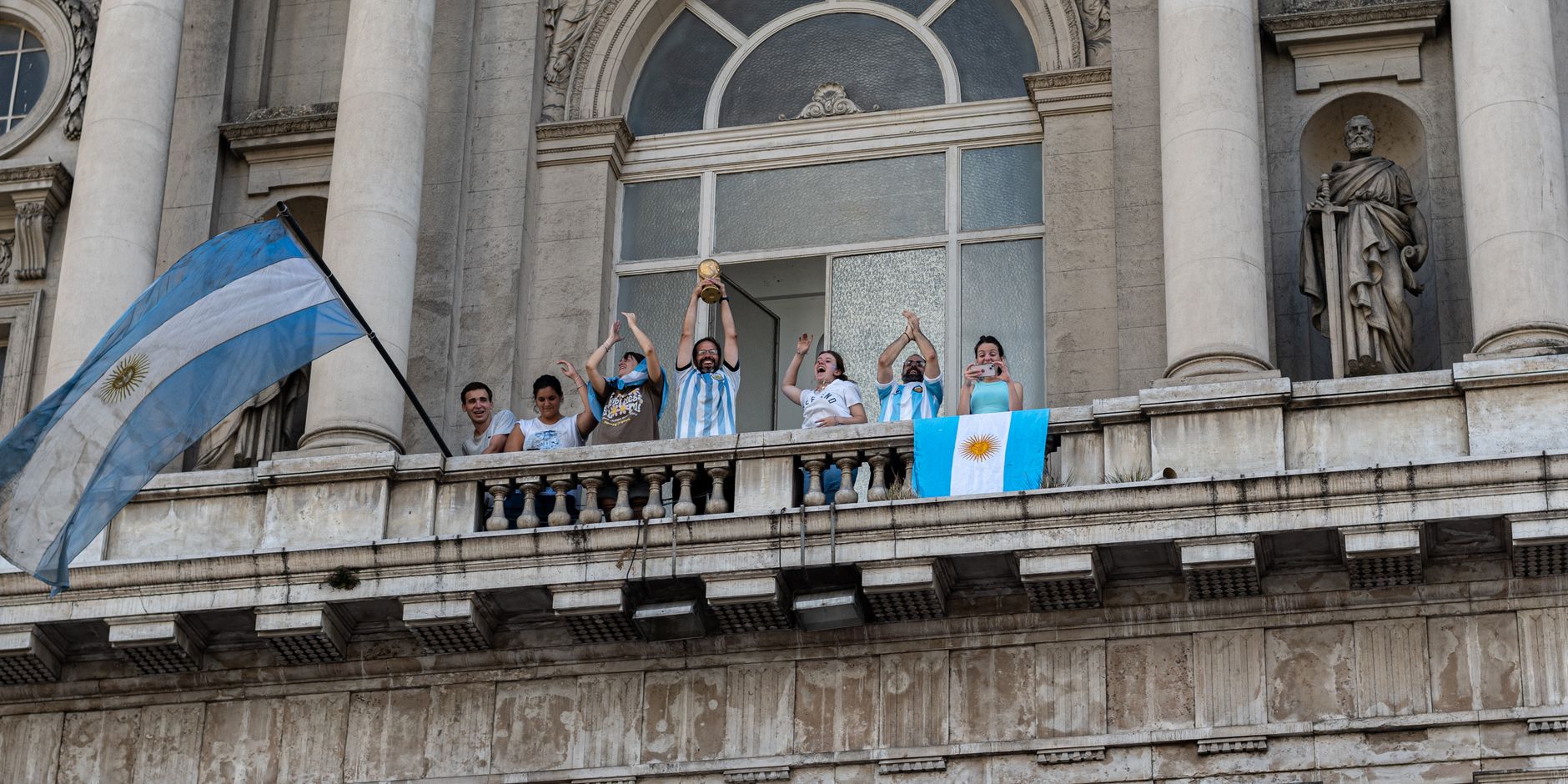
Photo by Fabrizio Velez on Pexels
Need a practical checklist for tickets, venues, and travel timing?
Common pitfalls to avoid
The most common football 2026 World Cup mistakes are trusting unofficial schedules, confusing host-city names with stadium locations, overvaluing recent scores, and ignoring travel or local regulations. These errors affect both spectators and prediction-focused readers.
Avoid these specific problems:
- Using an unverified fixture list: kickoff times and pairings may change after the draw or broadcasting decisions.
- Assuming every venue is downtown: stadiums often sit outside central districts and may require timed transport.
- Treating FIFA rankings as current form: rankings are historical rating systems, not injury reports.
- Ignoring third-place calculations: goal difference may matter even after a team collects four points.
- Chasing losses: one incorrect prediction does not justify increasing the next stake.
- Buying from unofficial sellers: fraud risk rises around high-demand fixtures.
- Forgetting regional rules: gambling legality, alcohol policies, identification requirements, and consumer protections vary across Canada, Mexico, and the United States.
A particularly useful operational insight is to separate information by reliability. FIFA and host-city portals should establish fixtures and venue rules; team federations should confirm squad news; statistical providers should supply performance context; Goal Moments should interpret those inputs. Mixing a rumour account with an official source and calling the result “research” is how spreadsheets acquire fictional characters.
The 30-day check-in
The 30-day check-in should confirm the final squad lists, injury updates, official kickoff times, accommodation, transport, ticket status, and prediction assumptions. At this stage, the tournament is close enough for tactical plans to be meaningful but still vulnerable to late injuries and selection changes.
Use this review sequence:
- Schedule: verify every fixture against FIFA’s current publication.
- Squads: record injured, suspended, and recently recalled players.
- Tactics: identify each team’s pressing height, build-up shape, and transition weakness.
- Travel: calculate airport transfers, time zones, and rest intervals.
- Budget: set a fixed amount for tickets, accommodation, food, transport, and entertainment.
- Predictions: revise probabilities rather than defending old opinions.
The 30-day review also reveals an information-gain edge that many previews miss: a team’s tournament suitability can depend on its ability to manage low-event matches. In a 48-team format, a side that can protect a 1–0 lead without conceding transition chances may outperform a more entertaining team with poor rest-defence structure. Spectacle is lovely, but knockout football rewards fewer philosophical statements than supporters would like.
For additional preparation, see [Internal Link: World Cup betting safety and bankroll planning] and [Internal Link: tournament prediction methodology].
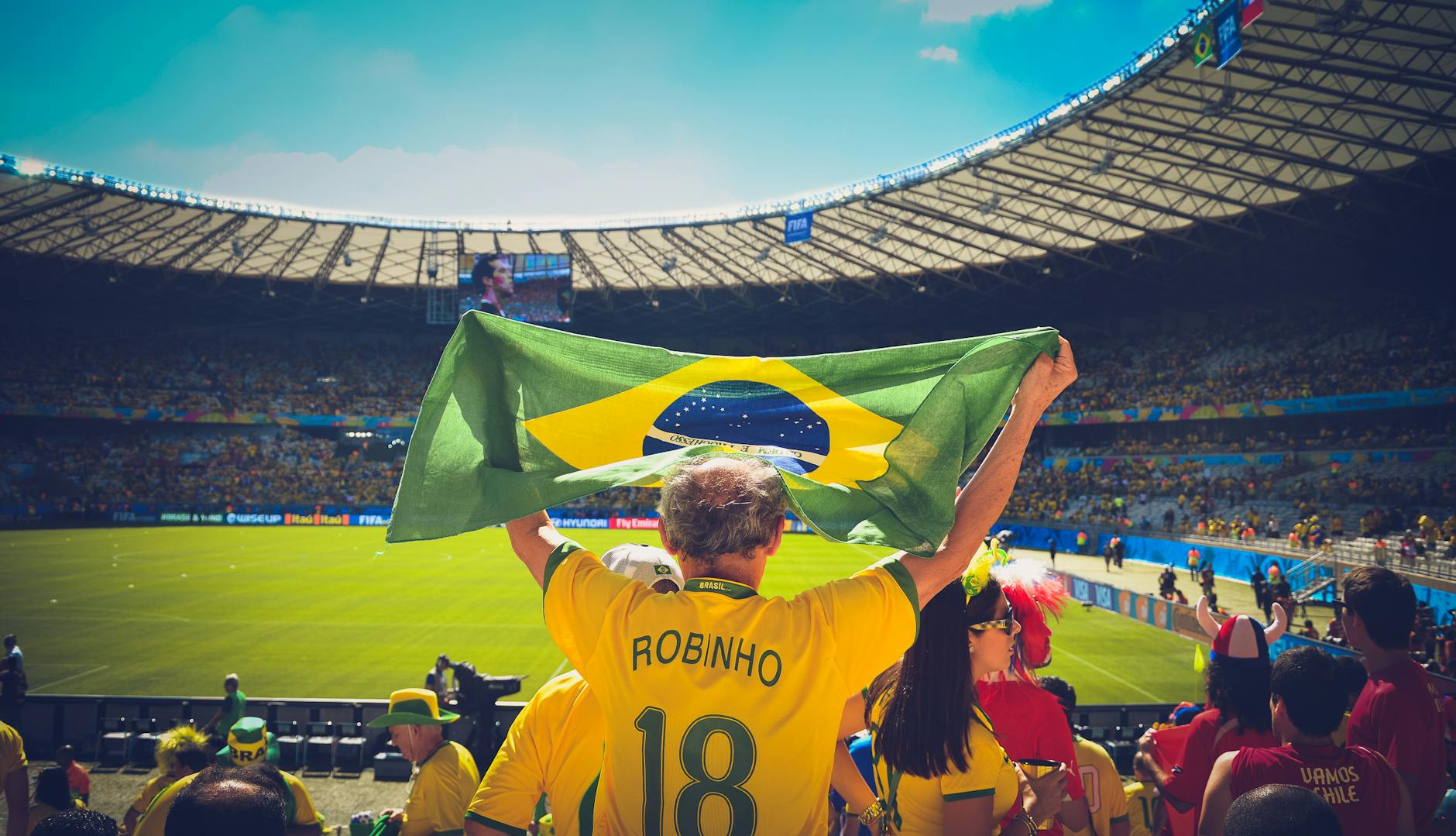
Photo by Caio on Pexels
Goal Moments will continue covering football 2026 World Cup predictions, tactical adjustments, player statistics, host-city news, and matchday developments. Use official FIFA information for decisions that require certainty, apply data carefully, and keep any gambling activity within legal and affordable limits. If you plan now, review again 30 days before the tournament, and then check once more on matchday; precision is cheaper than repairing a preventable disaster.
Ready to follow the tournament with structured analysis rather than noisy speculation?
Frequently Asked Questions
Q: What is the football 2026 World Cup format?
A: The football 2026 World Cup features 48 teams divided into 12 groups of four, with 104 matches scheduled across 16 host cities. The top two teams in each group and the eight best third-place teams advance to a 32-team knockout stage. Canada, Mexico, and the United States qualify automatically as co-hosts, while the other teams qualify through their confederation competitions.
Q: How do I get started following the 2026 World Cup?
A: Start by saving FIFA’s official schedule page, identifying your preferred teams, and creating a match calendar with local kickoff times. Add reliable squad-news and statistics sources, then use Goal Moments for predictions, tactical previews, player data, and daily updates. Recheck fixtures after the draw because match pairings, venues, and broadcast details may not be complete during early planning.
Q: What is the difference between the 2026 World Cup and Qatar 2022?
A: The 2026 World Cup has 48 teams and 104 matches, while Qatar 2022 had 32 teams and 64 matches. The expanded tournament also spans Canada, Mexico, and the United States, creating longer travel distances and more varied weather conditions. The 2026 format includes eight best third-place teams in the knockout qualification process.
Q: Why might a World Cup prediction fail?
A: A prediction may fail because of injuries, red cards, tactical changes, goalkeeper variance, poor finishing, or an underestimated opponent. Team results alone can hide changes in expected goals, pressing quality, and defensive transitions. Review the starting lineups, opponent strength, rest days, and market price rather than increasing a stake to recover a previous loss.
Q: How much does it cost to attend the football 2026 World Cup?
A: Attendance costs vary substantially by match, city, ticket category, accommodation, transport, and exchange rates. A budget should include the ticket, hotel, local travel, meals, insurance, and a contingency reserve for delays or price changes. Use FIFA’s official ticketing channels, compare regional accommodation options, and avoid unofficial sellers offering guaranteed premium access.
Q: Are World Cup predictions the same as betting advice?
A: No, a prediction describes an estimated football outcome, while betting advice also requires comparing that probability with a legal market price and managing risk. A team estimated at 55% has an approximate fair decimal price of 1.82 before uncertainty and bookmaker margin. Only adults in permitted jurisdictions should gamble, and fixed spending limits should be established before any wager.
Q: What should I do if official World Cup information conflicts with a social-media post?
A: Treat FIFA, the relevant host-city committee, and the national football federation as the controlling sources. Check the publication date, competition stage, venue, kickoff timezone, and whether the post refers to a rumour or confirmed announcement. Do not buy tickets, book non-refundable travel, or place a time-sensitive wager until the discrepancy is resolved.