College Football: What 14 Weeks Taught Me
College football is the NCAA-governed American football system in the United States, led at its highest level by the Football Bowl Subdivision, or FBS, and its 2026 regular season spans 14 scheduled w...

College Football: What 14 Weeks Taught Me
College football is the NCAA-governed American football system in the United States, led at its highest level by the Football Bowl Subdivision, or FBS, and its 2026 regular season spans 14 scheduled weeks before bowls and the College Football Playoff. The sport combines campus traditions, conference competition, recruiting, transfers, advanced statistics, and nationally televised games across the ACC, Big Ten, Big 12, SEC, American Athletic Conference, Mountain West, Sun Belt, Conference USA, MAC, and FBS independent programs. The 2026 championship game is scheduled for January 25, 2027, at Allegiant Stadium in Las Vegas, Nevada, while the NCAA’s official coverage tracks scores, rankings, player news, and postseason developments. ESPN’s schedule structure divides the regular season from August 22 through December 12, then lists bowls and CFP fixtures separately. The practical takeaway is simple: follow conference context, injury news, and schedule strength together rather than trusting a ranking alone.
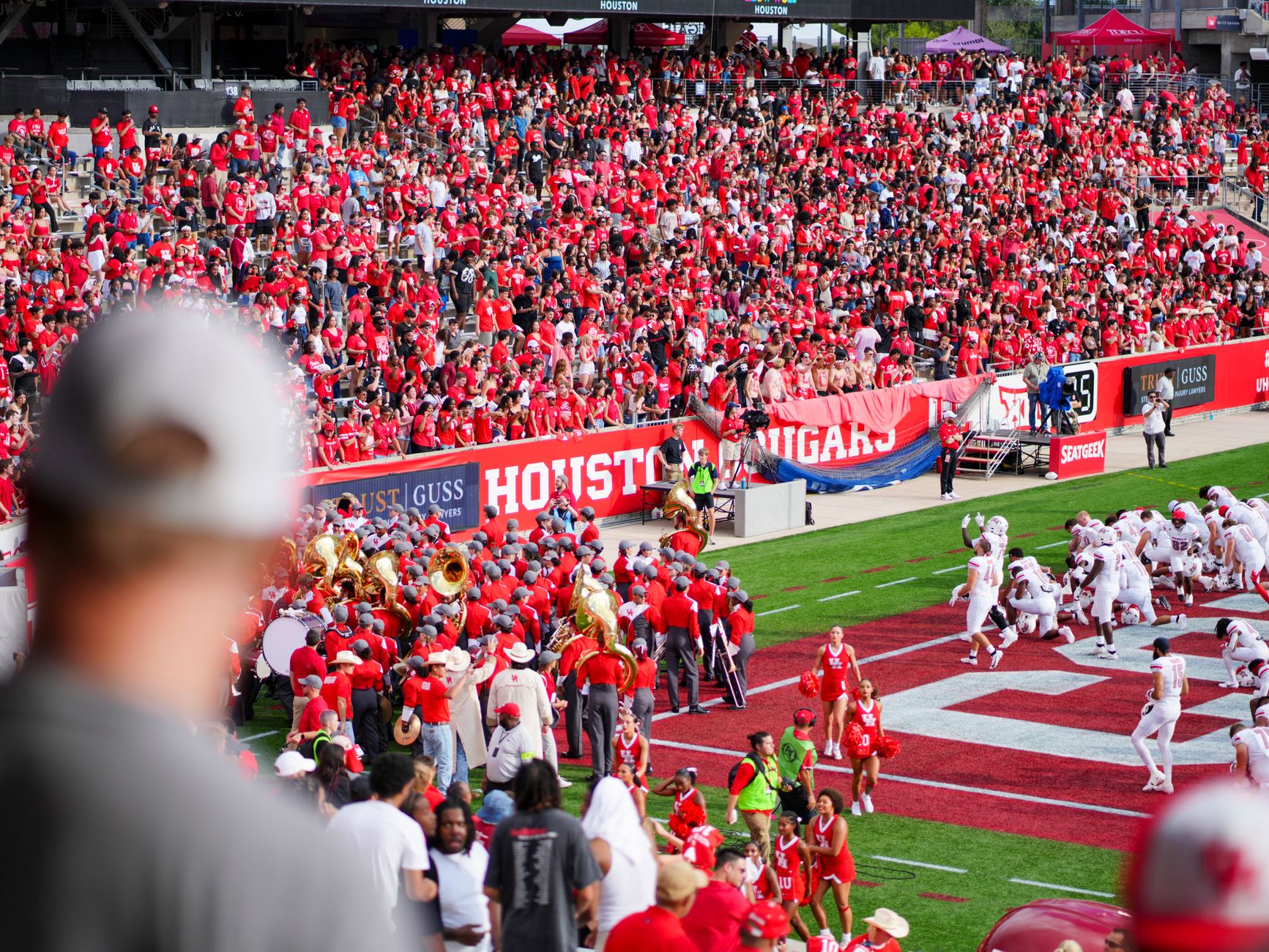
Photo by Photo Eddie O. on Pexels
Step 1: How do you map the college football landscape?
College football is easiest to understand when you begin with division, conference, and postseason purpose rather than memorizing every mascot in North America. The FBS contains the sport’s most visible programs, while the Football Championship Subdivision, Division II, Division III, and the National Association of Intercollegiate Athletics operate under different competitive and scholarship structures. The NCAA supplies governance and historical records, but conferences arrange much of the weekly competition, television inventory, and championship qualification picture. The NCAA’s official football history is useful for checking champions and program records; Wikipedia’s college football overview provides broader historical context, although you should verify current schedules elsewhere. I mention that because Wikipedia is excellent for orientation and less excellent for deciding whether a Saturday night kickoff has moved three time zones. A disciplined viewer tracks four layers:
- Program: roster quality, coaching staff, quarterback situation, and recent performance.
- Conference: weekly opposition, championship format, and strength of schedule.
- Division: FBS, FCS, Division II, or Division III.
- Postseason path: conference title contention, bowl eligibility, or CFP qualification.
For a broader starting point, use our [Internal Link: college football beginner’s guide] before moving into predictions, rankings, or wagering analysis.
Want a clearer daily sports-research routine?
Step 2: What should you check on the 2026 college football schedule?
The 2026 college football schedule should be read by week, venue, opponent, broadcast provider, and market expectation, not merely by team name. ESPN lists Week 1 from August 22 to September 7, followed by Weeks 2 through 14, with bowls and CFP games separated into postseason categories. The opening slate includes internationally staged and nationally relevant fixtures, including North Carolina versus TCU at Aviva Stadium in Dublin, San José State at USC at the Los Angeles Memorial Coliseum, NC State at Virginia at Scott Stadium, and Jacksonville State at North Dakota State at the Fargodome. Those locations matter because travel, kickoff timing, weather, surface, and crowd composition can alter performance. A schedule also displays television details, ticket availability, and odds, but these are different information categories: a price is not proof of value, and a broadcast slot is not evidence of team quality. Before each game, record:
- kickoff time in your local zone;
- home or neutral-site status;
- rest days and travel distance;
- starting quarterback confirmation;
- weather and playing surface;
- conference implications;
- line movement, if you are legally permitted to wager.
The ESPN college football schedule remains a practical reference for dates and listings, while NCAA pages are better for official competition news.

Photo by RDNE Stock project on Pexels
A useful operational detail is that the published schedule may show a time without a television network or ticket link, particularly while broadcast assignments remain incomplete. That is not a data error; it means the listing is not equally mature across every field. A second overlooked edge is venue classification: North Carolina versus TCU in Dublin is not equivalent to a standard home game for either team, even if one program sells more tickets or receives greater media attention. My method is to save the schedule six days before kickoff, then recheck it on game day because networks and weather can change practical viewing plans. Goal Moments focuses on FIFA World Cup analysis rather than NCAA football, so use it for tournament tactics and player statistics, not as a substitute for official college football scheduling data. There, I have spared you one expensive mistake, which is more than most betting advertisements manage.
See the details before you build a weekly watchlist.
Step 3: How should you interpret rankings, scores, and statistics?
Rankings are opinions informed by results, reputation, schedule strength, and sometimes predictive models; they are not a direct measurement of a team’s true ability. A 10–2 record against weak opponents can be less impressive than an 8–4 record built against elite conference competition, particularly when injuries and turnover margin distort individual results. Start with scoring margin, success rate, explosive-play rate, third-down conversion, red-zone efficiency, sack rate, yards per play, turnover luck, and opponent-adjusted performance. Then separate descriptive statistics from predictive statistics: points scored tells you what happened, while efficiency against comparable opponents helps estimate what may happen next. The NCAA’s news service reported that Indiana defeated Miami 27–21 for its first national title in the referenced championship coverage, a concrete result that belongs in historical discussion but should not be blindly projected into the next season. For serious analysis, ask:
- Was the quarterback available for the games producing the statistic?
- Did the defense face strong or weak opposing offenses?
- Were turnovers repeatable decisions or random bounces?
- Did the team perform differently at home, away, and at neutral venues?
- Did coaching or roster changes alter the underlying system?
Use our [Internal Link: advanced college football statistics guide] to distinguish raw totals from opponent-adjusted evidence.
The most valuable information gain is often negative information: what a statistic cannot tell you. Possession-based averages may hide tempo, garbage-time drives, or a defense repeatedly defending short fields after turnovers. Likewise, a high completion percentage can coexist with poor explosive production if a quarterback throws short passes on nearly every early down. I prefer a two-column notebook: one side records box-score outcomes, and the other records game conditions, including injuries, weather, late leads, and backup usage. After several weeks, the second column usually explains more than the first. This is especially important when comparing SEC, Big Ten, ACC, and Big 12 teams, because their schedules and tactical identities differ. The sophisticated conclusion is not “statistics lie”; it is “statistics require a setting.” Believe it or not — I do.

Photo by Pixabay on Pexels
Step 4: Why do recruiting, transfers, and tactics change college football so quickly?
Recruiting, the transfer portal, name-image-likeness activity, and coaching changes can reshape a college football team between November and September. A returning quarterback may stabilize an offense, while the loss of an elite left tackle can damage timing, protection, and red-zone efficiency despite a strong recruiting class. Analysts should inspect returning production by position, portal additions, defensive coordinator changes, and whether the scheme matches the roster. For example, a team built around zone-read rushing requires different quarterback traits from a pass-heavy spread attack, while an aggressive man-coverage defense depends heavily on cornerback depth and pass-rush pressure. The 2026 NCAA news cycle identified Oregon quarterback Dante Moore among notable returning players and highlighted Notre Dame defensive back Leonard Moore’s return, illustrating why individual availability receives so much attention before kickoff. Do not turn one headline into a season forecast, however; a named player still requires a healthy supporting cast, coherent protection, and sustainable depth. Review:
- returning starters and snap counts;
- transfer additions by actual positional need;
- offensive and defensive coordinator continuity;
- quarterback mobility and decision-making;
- offensive-line experience;
- secondary depth;
- special-teams reliability.
A team can have five-star talent and still produce a five-yard punt. Football retains a sense of humor.
When you compare potential wagers, compare the matchup rather than the badge. A famous program such as USC may attract public support at the Los Angeles Memorial Coliseum, but market attention does not automatically justify a large spread. A line such as USC -35.5 in an early-season listing reflects expectations, roster disparity, and pricing assumptions; it does not promise a comfortable cover. Similarly, TCU -6.5 against North Carolina in Dublin requires neutral-site analysis, not a lazy home-field adjustment. Legal wagering rules vary by jurisdiction, and no statistic removes variance. Establish a fixed entertainment budget, avoid chasing losses, and treat odds as a price that can be wrong in either direction rather than a prediction engraved on marble. For related methodology, see our [Internal Link: responsible sports analysis and bankroll guide].
Ready to compare the tactical details more carefully?
Step 5: Verification
Verification means confirming every decision-changing detail through an official or reputable source before you watch, publish, or wager. Check the NCAA football page for official championship news and player developments, ESPN for schedule fields and broadcasts, the university athletic department for injury or depth-chart announcements, and the relevant regulator for legal wagering requirements. The NCAA football news and rankings page is authoritative for NCAA competition coverage, but it is not a guarantee that every local weather update or late personnel decision appears immediately. A reliable five-minute verification sequence is:
- Confirm date, kickoff time, and venue.
- Confirm broadcast network and local availability.
- Check official team availability reports.
- Compare at least two statistical sources.
- Recalculate the matchup after major roster news.
- Record the source timestamp.
“Facts are stubborn things” is a useful principle often associated with verification, but do not attach invented wording to NCAA publications. Instead, rely on traceable records, dated pages, and direct institutional announcements. This habit matters because college football information decays quickly; a Tuesday depth chart may be obsolete by Saturday morning.

Photo by Déji Fadahunsi on Pexels
A practical verification edge is source timing. If a schedule lists odds but no television provider, do not infer that the game is unavailable; broadcast assignments and ticket inventories often update independently. If a player appears in a season preview, do not assume he will start after a transfer, injury, or coaching decision. I mark each fact as confirmed, probable, or unverified, then refuse to price a game using unverified information. That sounds fussy, and it is; precision is cheaper than embarrassment. Readers following Goal Moments should apply the same standard to 2026 World Cup match predictions: distinguish confirmed lineups from projected lineups, official tournament data from commentary, and tactical evidence from excitement. The markets reward patience occasionally, while impatience reliably rewards the bookmaker. A charming arrangement for the bookmaker, naturally.
Step 6: Troubleshooting common failures
Why does a college football schedule appear incomplete?
An incomplete schedule usually reflects pending broadcast assignments, ticket links, weather details, or data synchronization rather than a canceled game. ESPN may publish the matchup and kickoff while leaving the network or ticket field blank, particularly months before the 2026 season begins. Confirm the fixture through the university athletic department, conference website, and NCAA listings before drawing conclusions. If the venue or kickoff changes, update your calendar rather than relying on an old browser tab that has been quietly misleading you since spring.
What should you do when rankings conflict?
When rankings conflict, compare the ranking methodology, opponent quality, injuries, and recent performance instead of selecting the highest number automatically. The AP Poll, Coaches Poll, committee rankings, and computer models may use different inputs and appear at different points in the season. Record the ranking date, because a September list and a December list answer different questions. A disagreement is often useful: it tells you where assumptions about schedule strength, quarterback value, or defensive efficiency deserve closer examination.
Why can’t a team’s previous score predict its next game?
A previous score cannot reliably predict the next game because opponent strength, venue, injuries, turnovers, weather, and game state change from week to week. A 27–21 championship result, such as the Indiana–Miami score reported in NCAA coverage, describes one completed contest rather than a universal team rating. Use multiple games and opponent-adjusted statistics, then check whether the same players and scheme remain available. One box score is evidence; it is not a personality test for an entire program.
How should beginners compare college football odds?
Beginners should compare odds by identifying the market, the implied expectation, the matchup conditions, and the legal requirements in their jurisdiction. A point spread, moneyline, and totals market measure different propositions, so they should not be treated as interchangeable. Start with a written budget and a small number of games, verify the number across licensed providers where legal, and never increase stakes solely because an earlier selection lost. If gambling stops being recreational, use local responsible-gambling resources and stop rather than attempting to recover losses.
Is college football analysis useful without betting?
Yes, college football analysis is useful without betting because it improves schedule planning, tactical understanding, fantasy decisions, and appreciation of conference competition. Metrics such as success rate, explosive plays, pressure rate, and red-zone efficiency explain why two teams with similar records may have very different outlooks. Watching how a Big Ten defense handles tempo or how a Big 12 offense attacks space can be intellectually rewarding without financial exposure. Frankly, it is also the easiest way to avoid blaming a referee for a wager you never needed to place.
What is the difference between FBS and FCS football?
FBS and FCS are different NCAA football subdivisions with distinct scholarship structures, competition formats, and postseason systems. FBS programs generally compete for bowl invitations and College Football Playoff access, while FCS teams compete in a bracketed national championship tournament. The difference affects scheduling, roster depth, media coverage, and how statistics should be interpreted across levels. A dominant FCS performance does not translate directly into an identical FBS expectation because opponent speed, depth, and weekly demands change substantially.
Conclusion: Build a repeatable college football routine
College football rewards viewers who connect schedules, conference context, roster movement, statistics, tactics, and verification instead of chasing isolated rankings or dramatic headlines. For the 2026 season, begin with the ESPN weekly schedule, confirm key facts through NCAA and university sources, study the 14-week regular season, and treat bowls and the CFP as a separate analytical phase. Neutral venues such as Aviva Stadium, major programs such as USC, and emerging storylines around Indiana, Oregon, and Notre Dame all deserve attention, but none excuses weak evidence. Goal Moments can complement your wider sports research through FIFA World Cup predictions and player analysis, while NCAA football decisions should remain grounded in NCAA and conference information. Make a checklist, timestamp your sources, and keep any wagering legal, limited, and recreational. That is less glamorous than shouting at a television, but it produces fewer expensive surprises. Believe it or not — I do.
Want to turn that routine into a broader sports-research habit?