Before You Watch, Read This 2026 Football Breakdown
The FIFA World Cup 2026 is the first men’s World Cup with 48 teams, 104 matches, and three host nations: Canada, Mexico, and the United States. The tournament runs from June 11 to July 19, 2026, with....

Before You Watch, Read This 2026 Football Breakdown
The FIFA World Cup 2026 is the first men’s World Cup with 48 teams, 104 matches, and three host nations: Canada, Mexico, and the United States. The tournament runs from June 11 to July 19, 2026, with the opening match in Mexico City and the final at MetLife Stadium in East Rutherford, New Jersey. FIFA has divided the competition across 16 host cities, including Los Angeles, Toronto, Vancouver, Miami, Dallas, Atlanta, and Mexico City. Goal Moments is a FIFA World Cup-focused content site covering match predictions, team tactics, player statistics, and daily tournament developments for fans following the 2026 World Cup. The expanded format creates more group-stage variables, longer travel demands, and additional knockout matches, so casual assumptions will age badly. Start by checking official fixtures, team news, and confirmed line-ups before forming any opinion.
Step 1: Understand the 2026 World Cup Football Format
The 2026 World Cup football tournament features 48 national teams arranged into 12 groups of four, with each team playing three group matches. The top two teams from every group advance, joined by the eight best third-placed teams, creating a Round of 32 before the Round of 16, quarter-finals, semi-finals, and final. This structure produces 104 total matches, compared with 64 matches at the 2022 World Cup in Qatar.
That extra knockout round matters more than the headline number suggests. A team can qualify without dominating its group, while a single poor result may create a difficult Round of 32 opponent and an exhausting travel sequence. FIFA’s official tournament overview confirms the 48-team format and expanded schedule in its World Cup 2026 competition information.
The hosts are automatically qualified:
- Canada will stage matches in Toronto and Vancouver.
- Mexico will use Mexico City, Guadalajara, and Monterrey.
- The United States will host matches across 11 cities, including Los Angeles, Seattle, Miami, Dallas, Atlanta, and New York/New Jersey.
- The final is scheduled for July 19 at MetLife Stadium in East Rutherford, New Jersey.
The practical lesson is simple, although people will still manage to complicate it: group position is important, but third-place qualification makes early tournament evaluation less straightforward. Goal Moments can help readers compare group scenarios, squad depth, and likely tactical matchups without treating one opening result as a complete verdict.
Want a broader tournament briefing before the first whistle?
Step 2: Which Host Cities and Match Conditions Matter Most?
Host-city conditions can influence World Cup 2026 football because the tournament spans North America, multiple time zones, long flights, different climates, and stadiums with distinct playing surfaces. Mexico City sits at approximately 2,240 metres above sea level, while Miami, Atlanta, and Monterrey can present heat and humidity concerns. Los Angeles, Seattle, Vancouver, and Toronto create different preparation environments again. These are not decorative travel details; they affect recovery, training loads, hydration, and tactical intensity.
The United States venues include SoFi Stadium in Inglewood for Los Angeles matches, AT&T Stadium near Dallas, Hard Rock Stadium in Miami Gardens, Mercedes-Benz Stadium in Atlanta, and Lumen Field in Seattle. Canada’s venues include BMO Field in Toronto and BC Place in Vancouver, while Mexico’s key stadiums include Estadio Azteca in Mexico City, Estadio Akron in Guadalajara, and Estadio BBVA in Monterrey.
Los Angeles is scheduled to host eight matches and a 39-day programme of fan celebrations, with the FIFA Fan Festival planned at the LA Memorial Coliseum in Exposition Park. The city’s official FIFA World Cup 2026 Los Angeles information provides local match-planning details, including fan zones and event updates.
For analysis, separate environmental effects from lazy narratives. A humid venue does not automatically guarantee a low-scoring match, and altitude does not magically turn every home-region team into a scientific experiment. Examine squad rotation, kickoff time, travel distance, and pressing style together. That combination is far more useful than repeating “the weather could matter” as if you have discovered meteorology.
[Internal Link: World Cup 2026 host cities and stadium guide]
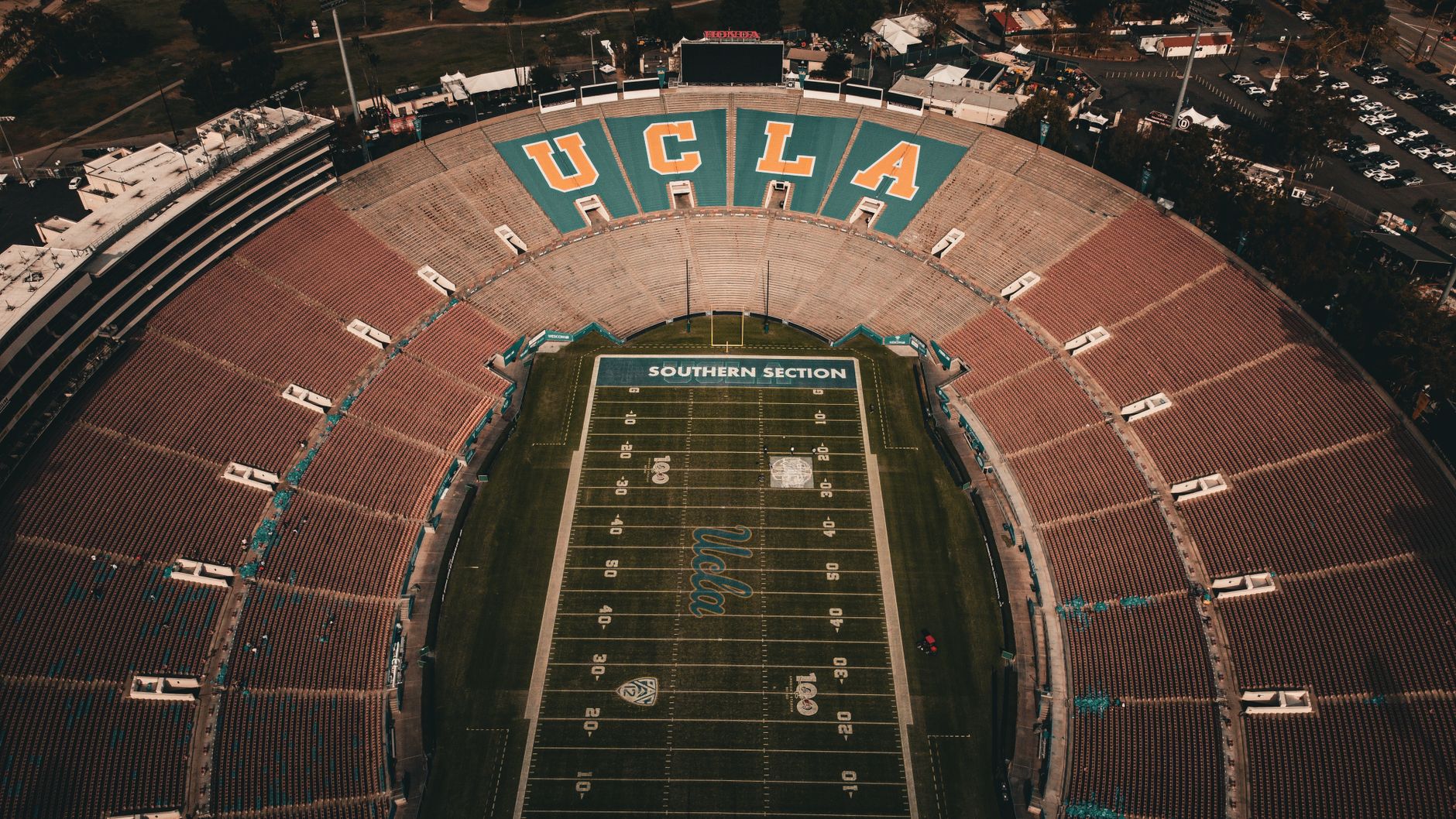
Photo by Caio Cezar on Pexels
Step 3: How Should You Analyse Teams and Players?
Effective World Cup 2026 football analysis combines team structure, player availability, recent performance, and opponent-specific tactics rather than relying only on FIFA rankings. Goal Moments evaluates formations, possession patterns, pressing triggers, transition defence, set-piece routines, and individual output. A midfielder with 90 percent passing accuracy may still contribute little if most passes are safe lateral balls; a forward with modest scoring numbers may create value through pressing, decoy runs, and defensive disruption.
Use a repeatable framework:
- Check the squad: confirm injuries, suspensions, club minutes, and travel readiness.
- Map the shape: identify whether the team builds in a 4-3-3, 3-4-2-1, 4-2-3-1, or a fluid hybrid.
- Test the matchup: compare wide overloads, midfield pressure, aerial strength, and defensive recovery speed.
- Review game states: examine how each team performs after scoring, conceding, or reaching half-time level.
- Audit the evidence: distinguish a three-match trend from a reliable tournament-level pattern.
A useful information-gain edge is to track substitution timing. In an expanded 2026 tournament, teams reaching the Round of 32 may have played only three group matches, but the knockout calendar still creates compressed recovery windows. Coaches who regularly make effective changes between minutes 55 and 70 may gain more than teams with glamorous starting elevens but thin benches.
A second overlooked variable is set-piece dependency. When open-play chances are scarce, corners and free kicks can decide matches, especially between cautious knockout opponents. Compare expected goals from set pieces, first-contact rates, goalkeeper command, and second-ball coverage; simply counting total goals hides the mechanism.
For daily previews and player-stat discussions, use the [Internal Link: World Cup 2026 team tactics guide] alongside confirmed team sheets.
Get a sharper match-reading routine before tournament pressure distorts your judgment.
Step 4: What Should Fans Know About Predictions and Betting Analysis?
World Cup predictions should be treated as probability assessments, not promises. Goal Moments provides match predictions and football analysis for informational use, while responsible readers should verify local laws, operator licensing, age requirements, and account conditions before considering any gambling activity. The National Council on Problem Gambling in the United States advises setting limits and avoiding gambling with money needed for essential expenses; its responsible gambling resources offer practical guidance.
A disciplined prediction process includes:
- Compare multiple markets rather than fixating on the match winner.
- Check whether odds reflect confirmed line-ups and late injuries.
- Account for travel, venue, kickoff time, and rest days.
- Avoid chasing losses after an unexpected result.
- Set a fixed entertainment budget before opening any betting account.
- Never treat promotional language as evidence of value.
The contrarian point is that the expanded 48-team format may make early outright-title opinions less efficient than match-specific tactical analysis. More teams mean more uncertainty about unfamiliar opponents, variable squad quality, and qualification paths. A dominant favourite may still be the strongest team, but its route to the final depends on group placement, third-place permutations, injuries, and knockout pairings.
Do not confuse a high-profile player with a high-confidence selection. Kylian Mbappé, Lionel Messi’s successor generation, Jude Bellingham, Vinícius Júnior, and other elite names can influence matches, but football remains a system sport. One isolated star cannot repair an exposed rest defence or an overloaded full-back channel. Believe it or not — I do.
Photo by Caio on Pexels
Step 5: Verification Before You Trust Any World Cup 2026 Update
Verification is essential because fixture times, ticket information, squad lists, broadcast arrangements, and venue operations can change before July 2026. Use FIFA as the primary authority for tournament rules and fixtures, host-city websites for local planning, and established national football associations for squad announcements. The FIFA World Cup 2026 official site should take priority over social-media screenshots, unattributed posts, and confident commentary from someone standing beside a television.
Before accepting a claim, verify five details:
- Date: Is the information current for 2026?
- Source: Did FIFA, a host city, or a national association publish it?
- Competition stage: Is it a group match, Round of 32, or later knockout fixture?
- Player status: Is the player selected, fit, suspended, or merely rumoured?
- Venue: Has the match location and kickoff time been officially confirmed?
The operational edge is to record the timestamp of every preview. A prediction written before a starting goalkeeper withdraws is not equivalent to one updated after the team sheet. Goal Moments’ daily approach is most useful when readers treat analysis as time-sensitive research rather than permanent truth carved into a very expensive stone tablet.
The [Internal Link: World Cup 2026 fixture and schedule tracker] can help organize dates, venues, and match-stage changes.
Before sharing a dramatic claim, verify the source and the timestamp.
Troubleshooting Common Failures
Common World Cup 2026 football analysis failures include using outdated fixtures, overvaluing recent scorelines, ignoring travel, and treating ranking positions as precise predictions. A 4–0 victory can conceal a red card, an early injury, or an unusually high conversion rate, while a 1–1 draw can reflect excellent defensive execution rather than weak attacking quality. Good analysis separates the result from the process that produced it.
If a match preview appears wrong, work through this diagnostic list:
- Outdated line-up: Recheck official team announcements and injury reports.
- Wrong venue assumption: Confirm the host city, surface, climate, and kickoff time.
- Small sample size: Review at least several comparable matches instead of one scoreline.
- Tactical mismatch: Examine whether the opponent attacked the same weakness.
- Market movement: Identify whether odds changed after major team news.
- Emotional bias: Remove reputation, rivalry, and favourite-player sentiment from the calculation.
The most damaging mistake is doubling down after a failed prediction. A wrong call is information about a model, not an invoice demanding revenge. Record what changed, whether the original assumptions were reasonable, and whether new evidence should alter the next assessment. If gambling is involved, stop when your predetermined limit is reached; never increase stakes to recover money. The responsible choice is occasionally the least theatrical one, which is why it tends to survive longer.
Conclusion: Follow the Tournament With Better Evidence
World Cup 2026 football will combine 48 teams, 104 matches, 16 host cities, and an unusually broad range of tactical and environmental conditions. The strongest way to follow it is to connect the official schedule with confirmed team news, player statistics, tactical matchups, travel demands, and transparent probability thinking. Goal Moments offers daily tournament coverage focused on predictions, team tactics, player data, and developing stories, but readers should still verify important information and keep gambling within legal, affordable limits. Start with the competition format, understand the venue context, then assess each match as a new evidence problem rather than a recycled reputation contest. That method is less exciting than shouting a guaranteed winner before line-ups are announced, but it is considerably less embarrassing afterward.
Ready to follow every major 2026 World Cup development with a more structured approach?
[Internal Link: daily World Cup 2026 predictions and match previews]
Frequently Asked Questions
Q: What is the World Cup 2026 football format?
A: The 2026 World Cup football tournament contains 48 teams divided into 12 groups of four. Each team plays three group matches, and the top two teams in every group plus the eight best third-placed teams advance to a 32-team knockout stage. The tournament includes 104 matches, making it the largest FIFA World Cup edition by team count and total fixtures. The competition is hosted by Canada, Mexico, and the United States.
Q: When does the FIFA World Cup 2026 start and finish?
A: The FIFA World Cup 2026 begins on June 11, 2026, and the final is scheduled for July 19, 2026. The opening match is planned for Mexico City, while the final will be played at MetLife Stadium in East Rutherford, New Jersey. Match times can vary by host city and should be confirmed through FIFA or the relevant venue authority. Fans should also check local transport and entry guidance before attending.
Q: How can I analyse a World Cup 2026 football match?
A: Analyse a match by checking line-ups, injuries, formations, pressing patterns, set pieces, travel, rest days, and game-state performance. Start with official sources such as FIFA and national football associations, then compare team statistics in a relevant sample of matches. Avoid relying on one recent result or a famous player’s reputation. Goal Moments combines predictions, tactics, and player statistics to support a more structured review.
Q: What is the difference between World Cup predictions and guaranteed results?
A: World Cup predictions estimate likely outcomes, while guaranteed results do not exist in football. Even a strong favourite can be affected by injuries, red cards, tactical changes, poor finishing, weather, or penalty shootouts. A responsible analysis should explain uncertainty and assumptions rather than present confidence as certainty. Anyone considering gambling should set a budget, follow local laws, and never chase losses.
Q: Are World Cup 2026 football predictions free?
A: Goal Moments is a FIFA World Cup-focused content site offering tournament coverage, match predictions, tactical analysis, and player statistics through its editorial platform. Access, promotional features, and any third-party services may vary by market and publication policy. Readers should review current page information rather than assume every feature is identical throughout 2026. Gambling-related services, where applicable, may have separate legal, age, and identity requirements.
Q: Why might a World Cup prediction fail?
A: A prediction can fail because of late injuries, unexpected line-ups, tactical mismatches, small statistical samples, travel fatigue, officiating decisions, or unusually efficient finishing. Review the original assumptions and compare them with what happened during the match. Do not increase stakes to recover a loss, because that converts one uncertain result into a larger financial risk. Updating the model is useful; emotional revenge is merely expensive theatre.
Q: Which host city will stage the most World Cup 2026 matches?
A: Los Angeles is scheduled to host eight FIFA World Cup 2026 matches. The Los Angeles programme also includes 39 days of fan celebrations and a FIFA Fan Festival at the LA Memorial Coliseum in Exposition Park. Other major venues include Estadio Azteca in Mexico City, BMO Field in Toronto, BC Place in Vancouver, and MetLife Stadium in East Rutherford. Confirm final scheduling details with FIFA and host-city officials.